Bridging a 2.7-Inch Joint Separation in a 12-Inch HDPE Pipe Without Pre-Jetting or Excavation
→ Resources → Case Studies
Bridging a 2.7-Inch Joint Separation in a 12-Inch HDPE Pipe Without Pre-Jetting or Excavation
→ Resources → Case Studies

Market
DOT
Challenge
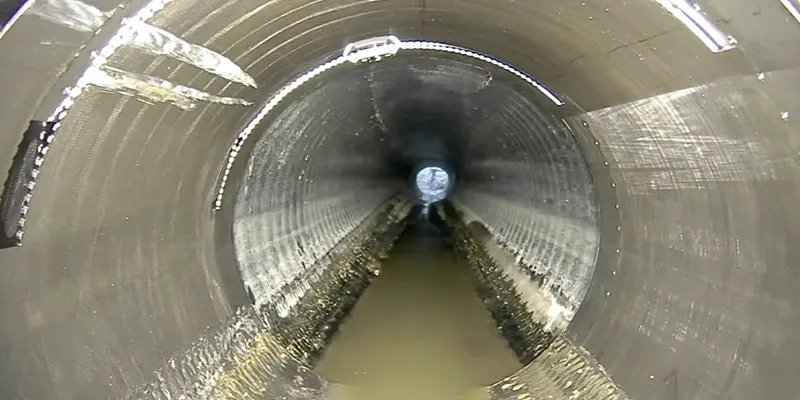
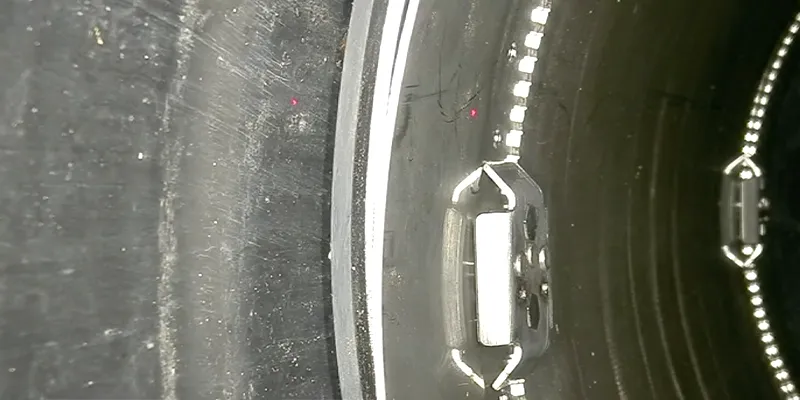
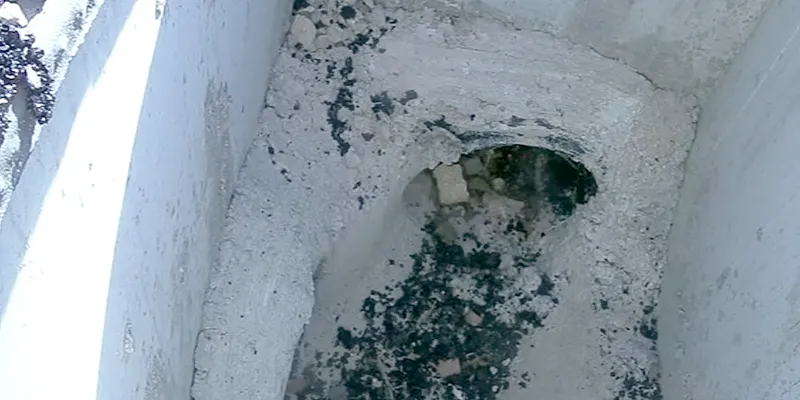
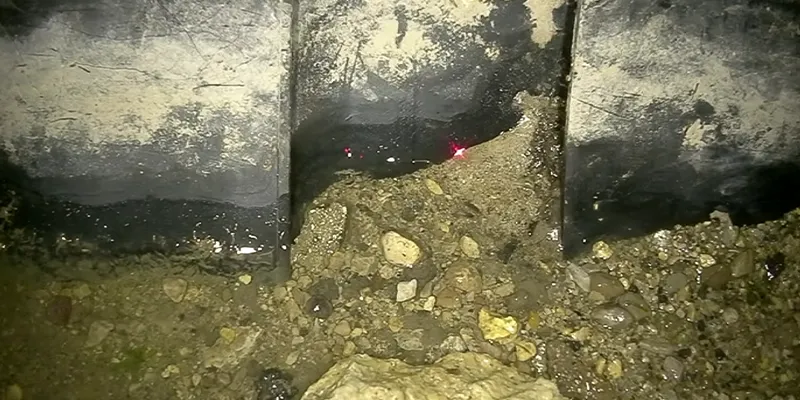
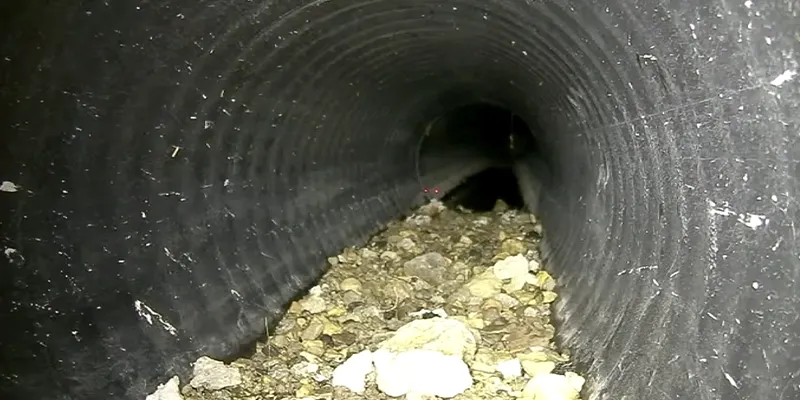
During Ohio 611 new-pipe inspections between drainage structures HD29 and HD30, CCTV footage uncovered a severe 2.7-inch joint separation in a 12-inch HDPE storm line buried 2 to 4 feet beneath an active roadway. Positioned 7.5 feet from catch basin D29, the wide gap had already allowed gravel, silt, stone, and loose asphalt to accumulate on the upstream side of the separation, resulting in a 4.5% localized cross-sectional area loss. Left unsealed at such a shallow burial depth, a 2.7-inch open gap acts as a direct funnel for roadbase wash-in and sinkhole formation. Additionally, pushing a repair assembly through the upstream gravel and asphalt buildup risked fouling the seal prior to expansion.
Engineered Solution
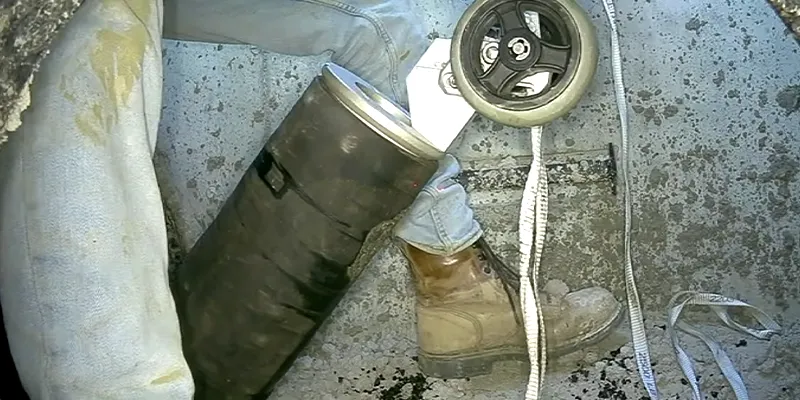
To span the wide 2.7-inch axial separation and seal against the host HDPE pipe wall on both sides of the gap, the contractor deployed a 12-inch HydraLock internal joint seal. Featuring a wide-profile EPDM rubber sleeve bordered by water-reactive hydrophilic O-rings and backed by a heavy-duty 316L stainless steel ratchet lock, HydraLock provides the axial coverage and radial expansion force required to bridge significant joint pull-aparts in 8″ to 20″ non-man-entry lines. To avoid the upstream gravel and asphalt obstruction, the crew engineered a downstream-to-upstream installation approach.
Scope
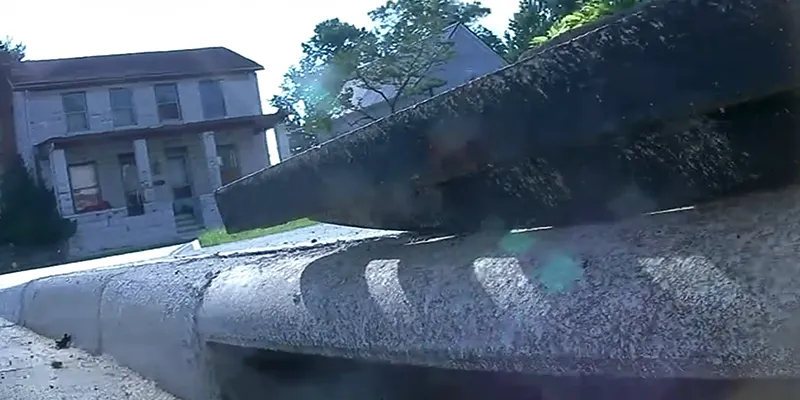
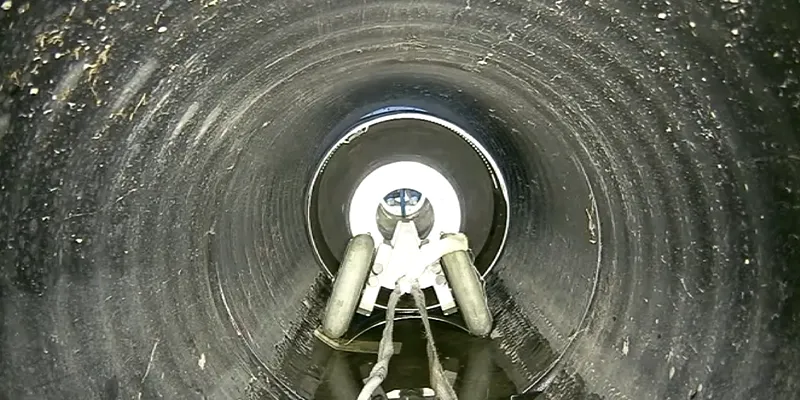
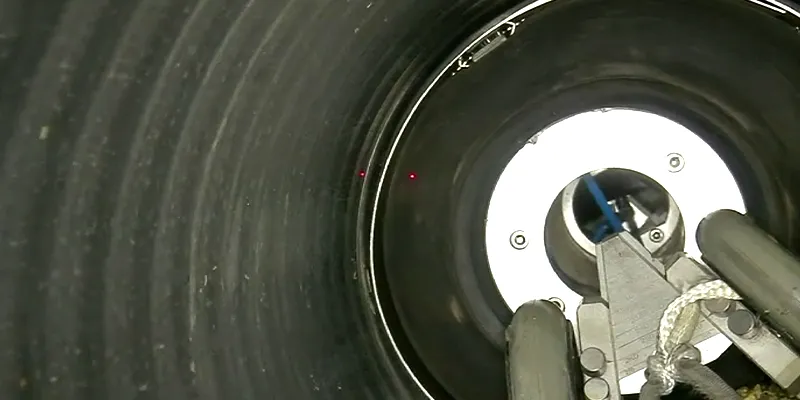
Working in dry pipe conditions that required no dewatering or bypass pumping, the 1-to-2-person crew accessed the 12-inch HDPE line through catch basin D29 from the cleaner downstream side. Guided by CCTV camera, the crew wheeled the packer-mounted 12-inch HydraLock sleeve 7.5 feet upstream toward the defect. Approaching from downstream allowed the leading edge of the sleeve to smoothly push minor residual debris upstream and out of the sealing zone without heavy pre-cleaning. Once centered across the 2.7-inch separation, the packer inflated to lock the 316L stainless steel band and compress the EPDM sleeve across the gap. This repair was completed by the crew in a single day with zero traffic disruption.
Solution
By combining the wide-gap coverage of the 12-inch HydraLock seal with a strategic downstream installation path, the crew permanently sealed a 2.7-inch HDPE joint separation without hydro-jetting, dewatering, or roadway excavation. The new storm sewer passed its Ohio 611 inspection, prevented roadbed erosion before a sinkhole could form, and kept the roadway 100% open to traffic throughout the operation.