Water Main Blocking And Sealing
→ Resources → Case Studies
Water Main Blocking And Sealing
→ Resources → Case Studies
Market
Drinking Water
Challenge
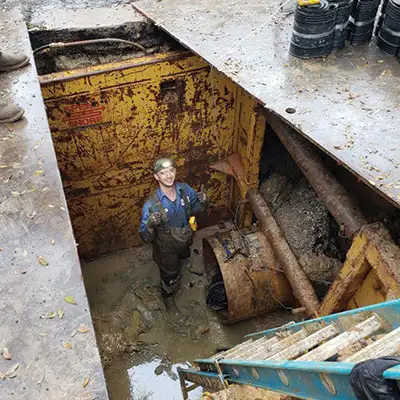
The aging cast iron water main’s deteriorating joints were threatening water quality and exfiltration. Previous repair methods had been employed, but a more permanent solution was required to make the water supply system more efficient, reliable, and clean. Trench repair would have disturbed the museums, galleries, cultural centers, community organizations, and trees that are above the water main. Most of the water main was 30″ or 36″, but there was a point in the main where a 24″ pipe intersected the water main. This intersection required 24″ seals, and an abandoned 12″ connection had to be blocked with a seal. Multiple unused service taps had to be covered with seals as well.
Engineered Solution
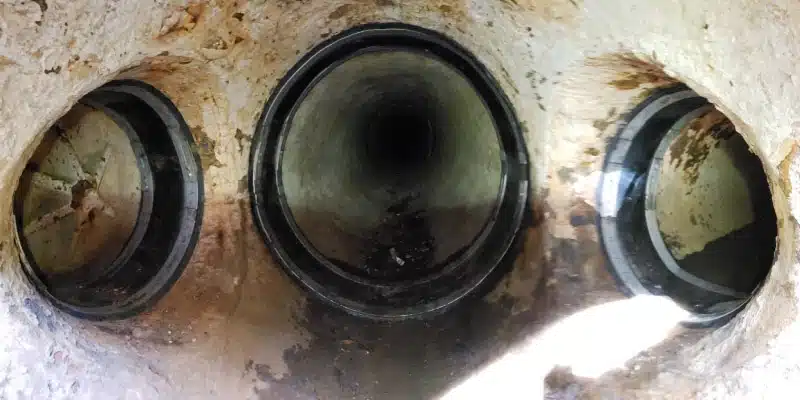
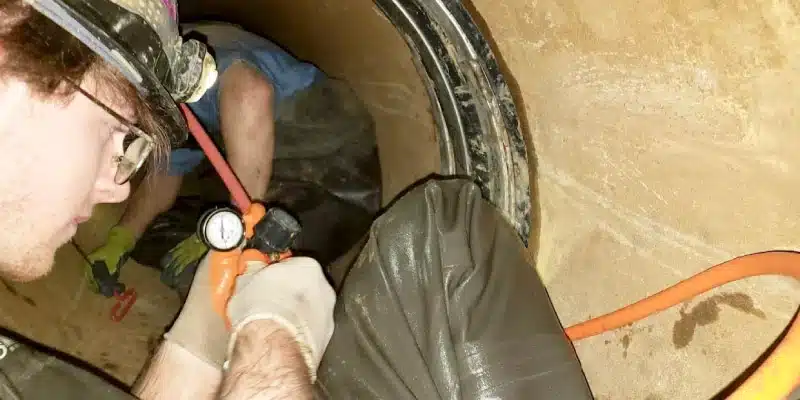
The mechanical Internal Joint Seal HydraTite was selected for the many needs of the water main. Seals of different diameters and differing thicknesses were employed for this project. Backing plates were used with the seals to cover the abandoned connecting 12″ pipe and service taps.
Scope
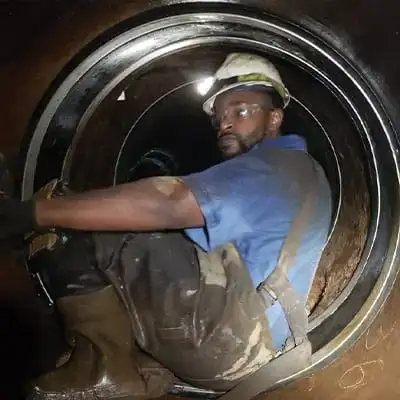
The pipe had a low section that required dewatering. 1106 seals were installed throughout the entire water main. These were used to seal joints, unused service taps, and abandoned connecting pipes. Several seals were installed with backing plates.
Solution
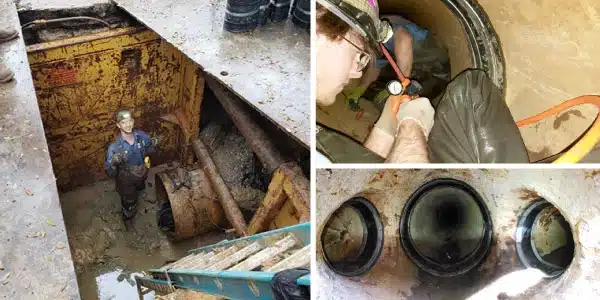
The HydraTite seals eliminated infiltration at all joints. The HydraTite solution enabled a trenchless repair at a fraction of the cost of alternatives. None of the above trees or facilities were affected by the water main rehabilitation. The HydraTite seal proved to be an economical in situ repair solution, making the operation of the penstock pipe more cost-effective.