PROFESSIONAL DEVELOPMENT UPDATE
HydraWrap System Training

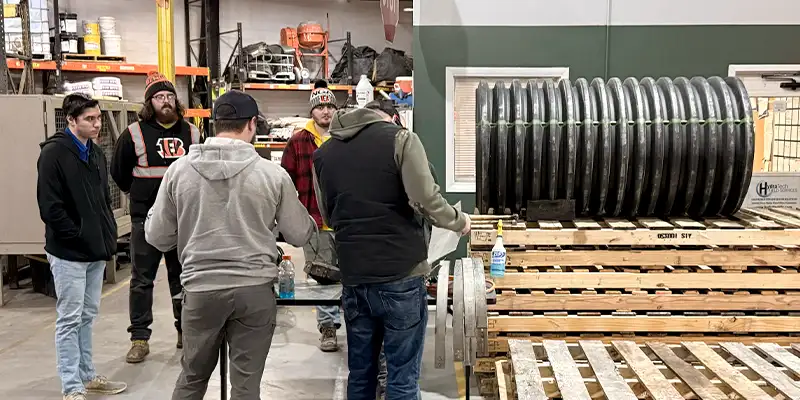
This week, I had the privilege of participating in a comprehensive training session led by our very knowledgeable engineer, Mike Fox. The focus of this training was on the practical application of our HydraWrap system, which offers innovative solutions for infrastructure repair. Several other employees from the office side joined me for this new experience.
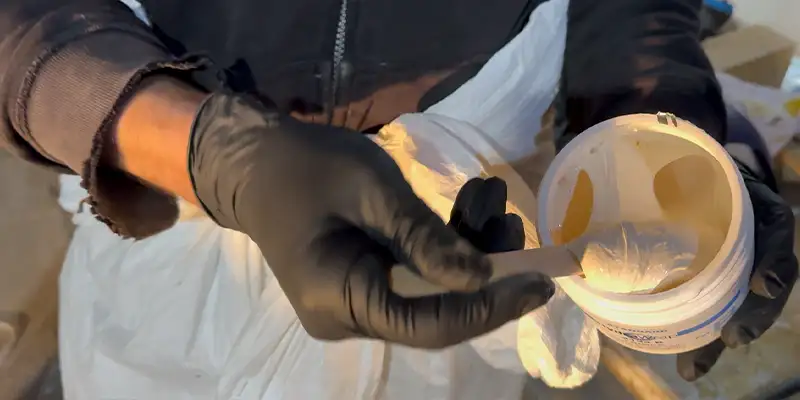
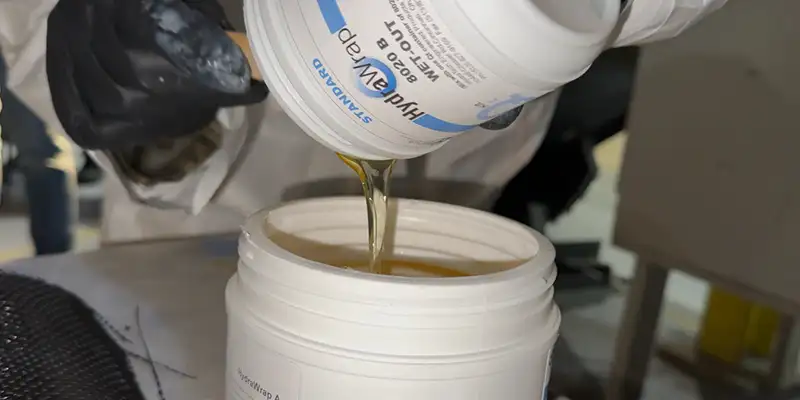
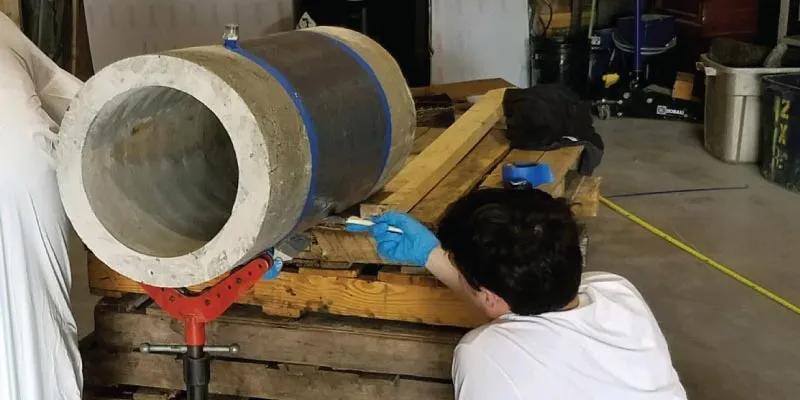
During the two-day session, I was introduced to several key aspects of the HydraWrap system that I had previously only understood theoretically. For the first time, I gained hands-on experience in the critical stages of the repair process:
Surface Prep: The repair area must be uniform, textured, dry, and clean for HydraWrap to establish a proper bond.
Epoxy Mixing: I learned the precise techniques required for mixing epoxies to ensure optimal adhesion and durability. This step is crucial as it affects the overall performance of the repair. As the two epoxy components mix, the color should be consistent.
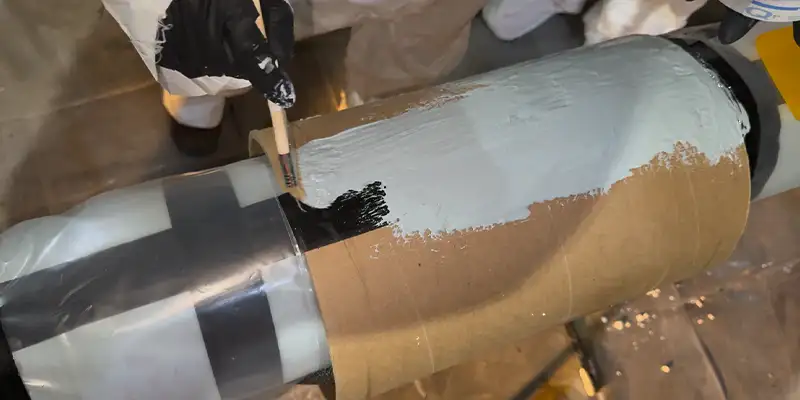
Primer Application: Applying the primer to the repair area correctly is essential, ensuring that the repair material bonds effectively to the substrate. I applied a primer coat so that none of the substrate was visible through the viscous epoxy.
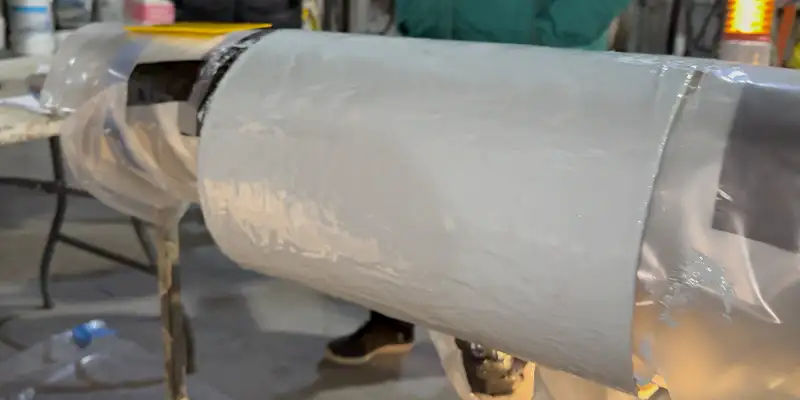
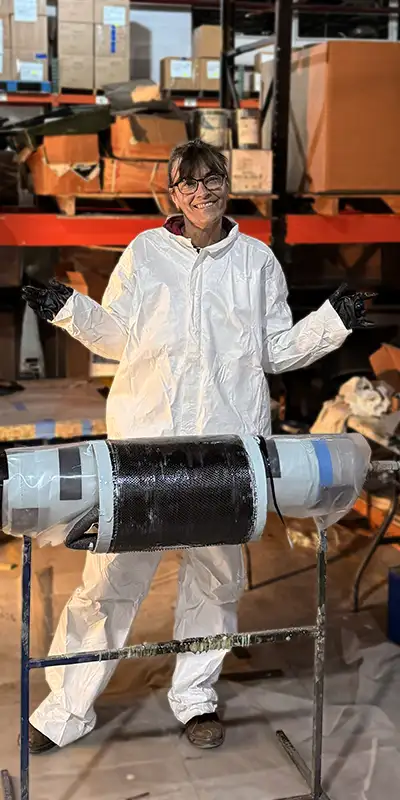
Fabric Application: The session included detailed instructions on how to saturate the fabric with the wet-out epoxy, and wrap the repair area with the saturated fabric. I was instructed on the minimum number of layers of fabric, how to keep the fabric tight while slowly wrapping the pipe, and learning the curing times to guarantee a robust repair.
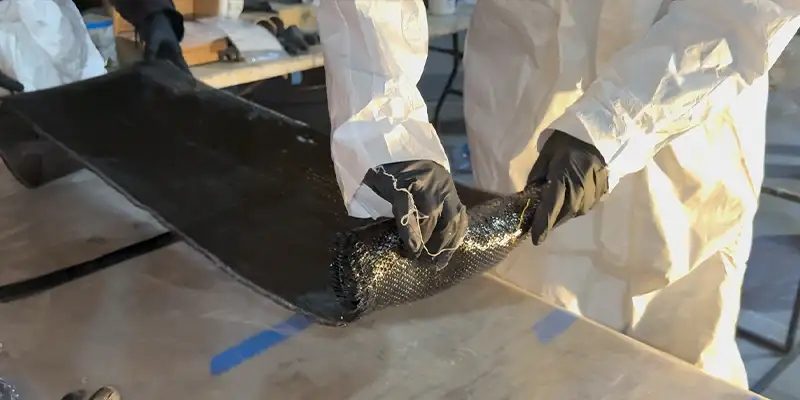
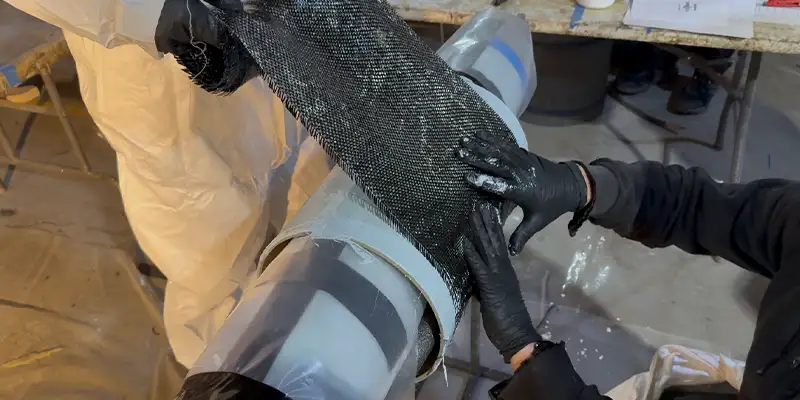
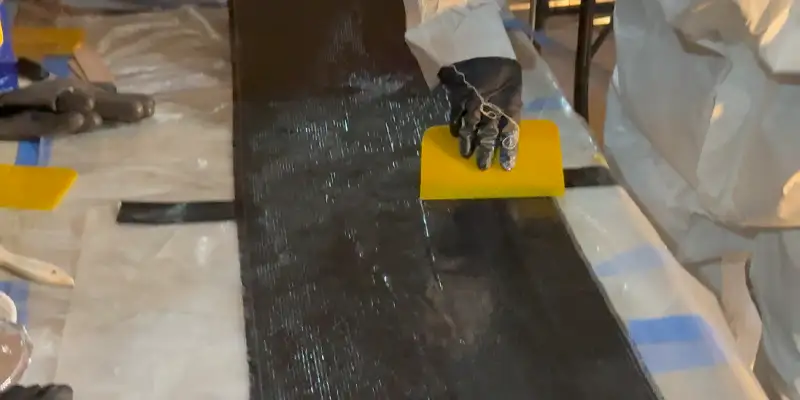
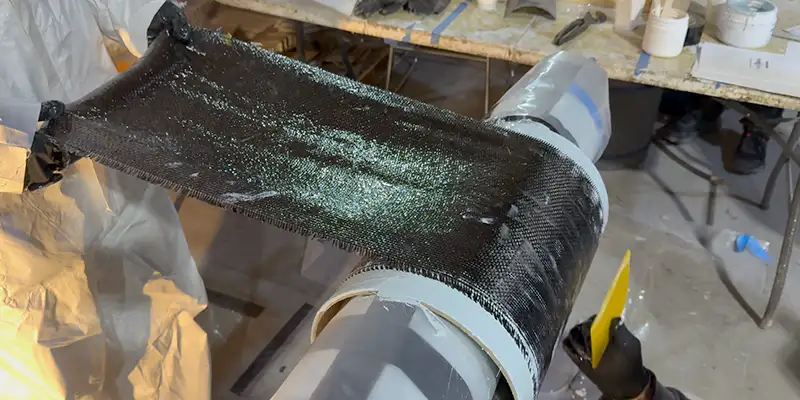
This training was immensely educational, providing me with insights that significantly enhanced my understanding of our HydraWrap system. Prior to this, my role had been limited to takeoffs and quoting projects based on specifications and client needs. Now, with this practical experience, I am better equipped to not only quote projects but also to explain the process in detail to our clients, ensuring they understand the quality and reliability of the solutions we provide.
This hands-on experience has not only bolstered my technical knowledge but also my confidence in discussing and recommending our products. It allows for a more informed service to our customers, aligning with our commitment to excellence and customer satisfaction. I look forward to applying this knowledge in future projects and continuing to learn about our evolving product lines to better serve our clientele.
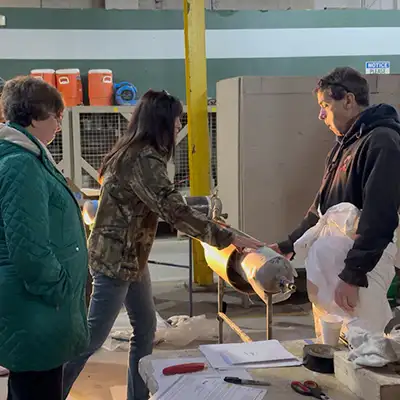
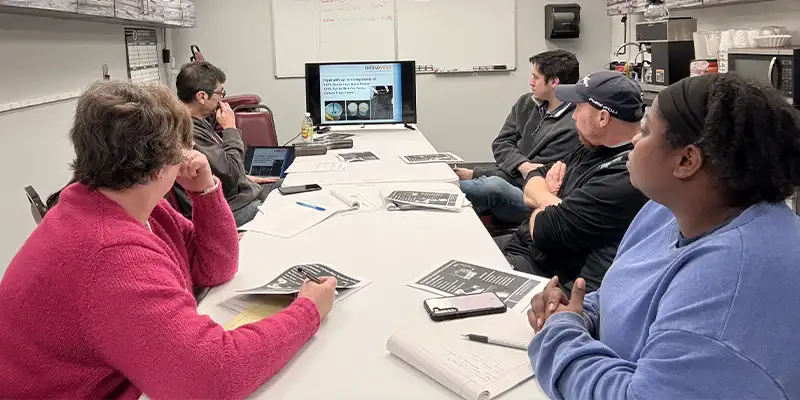
The image below is from a previous training on HydraWrap our office employees attended a few years ago.